AI Assistant: Help Me Apply C5A Visa in Bali (2027)
August 23, 2026
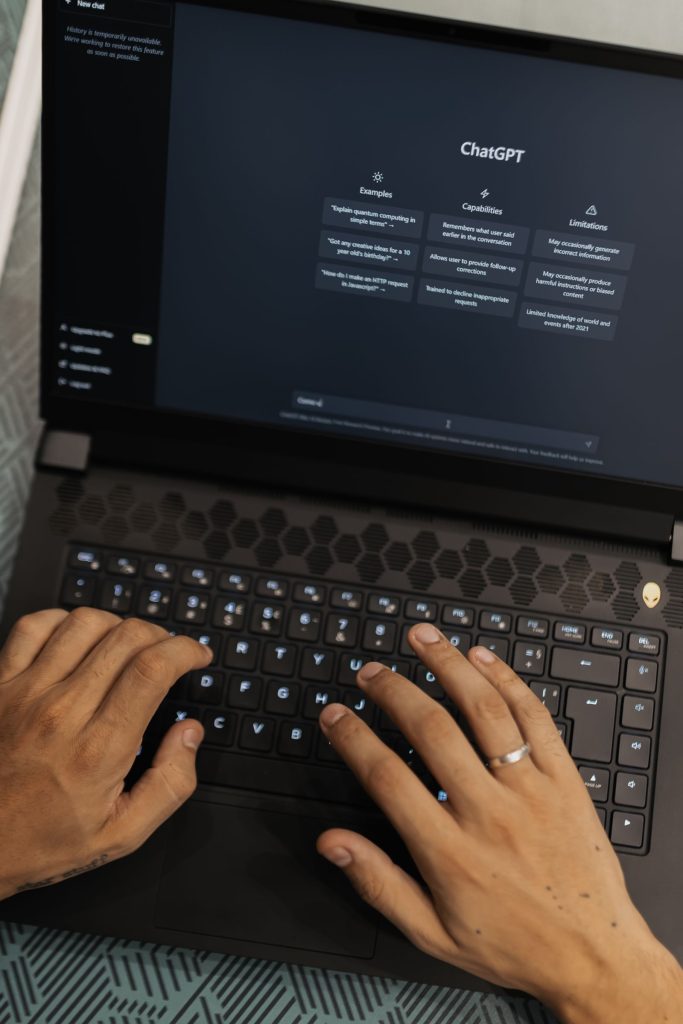
Yes, an AI assistant can genuinely help you prepare a C5A visit visa application from Bali in 2027 — but only for the parts that involve organizing information, understanding steps, and drafting checklists. It cannot submit your application, guarantee approval, or replace an immigration officer’s decision. This guide walks through how a chat-based assistant is realistically useful at each stage, and where a human document-assistance desk still matters.
What Can an AI Assistant Actually Do for a C5A Application?
Think of an AI assistant as a research and organization layer, not a filing system. It can help you understand general visa categories, summarize what documents are commonly requested, translate terminology, and keep your paperwork checklist organized as you gather items. What it cannot do is access Indonesia’s immigration systems, confirm your specific eligibility, or predict how an officer will assess your case. Every C5A application is reviewed individually by Indonesian immigration, and outcomes depend on documentation, sponsor status, and current policy — none of which an AI model can verify on its own.
Step 1: Confirm the C5A Category Actually Fits Your Purpose
Before drafting anything, an assistant-style workflow should start by checking whether C5A is the right index for your visit at all. C5A sits within Indonesia’s category C (visit visa) framework, which covers a range of purposes. If your trip is closer to standard tourism, a different visa may be more appropriate — see our comparison at C5A visa vs tourist visa. If you are unsure what C5A even is, start with what is the C5A visa before going further.
Step 2: Build a Document Checklist with AI, Then Verify It with a Human Desk
An AI assistant is genuinely good at helping you draft a checklist template — passport validity, photos, sponsor letters, itinerary details — based on general public information. The catch is that requirements, validity periods, and fees are set by the Directorate General of Immigration and can change without much notice. A checklist generated purely from an AI’s training data may be outdated by the time you apply. This is exactly where a Bali-based document-assistance desk adds value: cross-checking your AI-drafted list against current requirements before you submit anything. Our own current list is maintained at C5A visa requirements.
Step 3: Understand Timing Expectations Without Assuming Guarantees
A common mistake when using AI tools for visa planning is treating any stated timeframe as a guarantee. No online assistant, including ours, can promise a specific number of processing days — that is entirely determined by immigration workload and case complexity. For a realistic overview of how processing timelines are generally discussed, see the C5A visa timeline. Build in buffer time around your travel dates rather than booking flights the moment you expect approval.
Step 4: Use AI to Prepare Questions, Not to Replace a Sponsor Check
One area where a chat assistant is genuinely helpful is preparing a list of questions to ask a sponsor, an agency, or the immigration office directly — for example, clarifying what counts as an acceptable sponsor relationship. AI cannot verify whether a specific individual or entity is eligible to sponsor your visa; that determination is made by immigration based on documentation. If you are trying to understand sponsor requirements conceptually first, C5A visa guarantor and sponsor is a useful starting point.
Step 5: Cross-Check Anything an AI Tells You About Rules or Fees
Visa index codes and category definitions in Indonesia have changed before and can change again. An AI assistant trained on older data may confidently repeat outdated rules, invent specific fee amounts, or cite article numbers that no longer apply — none of which should be trusted at face value. Always verify against current official guidance or a desk that tracks updates closely. We publish periodic summaries at C5A visa updates, though even those should be treated as a starting point rather than a final source, since regulations are set solely by immigration.
What an AI Assistant Should Never Tell You to Do
Be cautious of any AI-generated advice that suggests bending the truth on an application, using a visa category for activities outside its intended purpose, or skipping a sponsor requirement because “it usually works out.” An assistant with no accountability to Indonesian law has no way of knowing the real consequences of that kind of shortcut, and misrepresenting the purpose of your visit can affect both the current application and any future entry to Indonesia. If an AI suggestion sounds like it is describing a workaround rather than a legitimate document, treat it as a red flag and ask a human desk to confirm before acting on it.
Where a Bali-Based Desk Fits Into an AI-Assisted Workflow
The most realistic 2027 workflow combines both: use an AI assistant to organize your thinking, draft checklists, and prepare questions, then bring the result to a document-assistance desk that reviews it against current requirements and helps you compile the actual submission package. Bali Premium Trip’s C5A desk works this way — reviewing AI-drafted checklists, correcting outdated assumptions, and preparing documentation for your case. This is document assistance, not a guarantee of approval; every application is assessed individually, and the final decision always rests with Indonesian immigration.
A Realistic Example of an AI-Assisted Workflow
Picture a traveler planning a two-month stay in Bali for a purpose that does not fit a standard holiday. They open an AI assistant and ask it to explain the general shape of Indonesia’s visit visa categories, then request a draft checklist of documents typically associated with C5A. The assistant produces a reasonable starting list — passport, photos, proof of purpose, a sponsor letter — but has no way of knowing whether that list reflects the current requirements published by immigration this month. The traveler then sends that draft to a Bali-based desk, which compares it against the live requirements page and flags two items that have changed since the AI’s training data was last updated. That correction step is not optional; it is the difference between a checklist that looks complete and one that actually matches what immigration expects today.
Frequently Asked Questions About Using AI for C5A Applications
Can an AI assistant submit my C5A application for me? No. Submission happens through Indonesia’s official immigration channels, and a document-assistance desk can help you prepare and organize what goes into that submission, but the filing itself is not something an AI chatbot performs on your behalf.
Will an AI assistant know if I am eligible for C5A? Not reliably. Eligibility depends on your specific purpose of visit, your nationality, your sponsor arrangement, and current immigration policy — factors an AI model cannot verify in real time.
Is it safe to trust an AI-generated fee amount? Treat any fee figure from an AI assistant as unverified. Official fees are set by immigration and should be confirmed through an official source or a desk that tracks current pricing, not repeated from a chatbot’s training data.
Ready to Move from AI Draft to Actual Application?
If you have used an AI assistant to draft your checklist and now want a human review before you submit anything, reach out on WhatsApp at +62 811-2859-0000 or email [email protected]. Our desk will look at what you have prepared, flag anything outdated, and walk you through what is still missing before you proceed.